Nose Cone Rocker Foam PadsUpdated 2 months ago
The Nose Cone Rocker Foam Pads are designed to help the Foil Drive nose cone sit securely against boards with a curved or heavily tapered bottom surface (rocker). 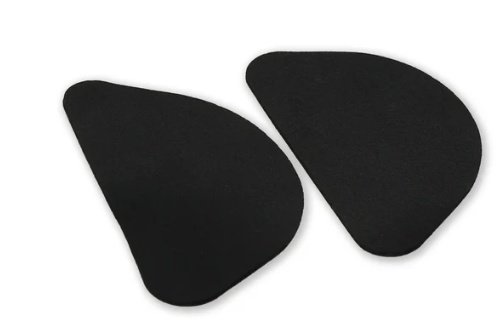
Every board has a slightly different shape. Some have a relatively flat bottom, while others have significant rocker or curvature. Ideally, the nose cone should sit as flush and securely against the board as possible.
The rocker foam pads help fill any gap between the nose cone and the board, providing additional support and reducing movement.
For Instructional video, see: How to Install Nose Cone Rocker Pads
Why Do I Need Rocker Foam Pads?
Keeping the nose cone close to the surface of the board is important for two main reasons:
1. Hydrodynamic Performance
A large gap between the nose cone and the bottom of the board can create additional drag and disrupt water flow.
The closer the nose cone sits to the board, the more streamlined the installation will be.
2. Nose Cone Support
During high-speed riding or touchdowns, water can apply significant force to the nose cone.
If there is a large gap between the nose cone and the board, this force can cause the nose cone to move or rock. Excessive movement can place additional load on the nose cone seal and potentially allow small amounts of water to enter the enclosure.
The rocker pads provide support between the nose cone and board, helping prevent this movement.
Do I Need to Use the Rocker Pads?
Not necessarily.
Many boards have a flat enough bottom surface that the nose cone sits securely against the board without any additional support.
Rocker pads are most useful when:
- Your board has significant rocker or curvature.
- There is a visible gap between the nose cone and board.
- The nose cone can rock or move when pressure is applied.
- You are using a longer nose cone, such as those used with the MAX or SLIM Endurance configuration.
Shorter nose cones generally require less support because they are less likely to span a curved section of the board.
How to Check If You Need a Rocker Pad
- Install the nose cone onto your board as normal.
- Hold the back of the board firmly against the surface.
- Check the gap between the nose cone and the bottom of the board.
- Apply gentle pressure to the nose cone and electronics box.
- Check whether the nose cone rocks or moves against the board.
If the nose cone sits securely against the board with little or no movement, you do not need to install a rocker pad.
If the nose cone rocks because of a gap between the nose cone and board, use the rocker pads to fill the gap.
Installing the Rocker Foam Pads
The rocker pads have an adhesive backing and can be layered to achieve the required thickness.
1. Clean the Nose Cone 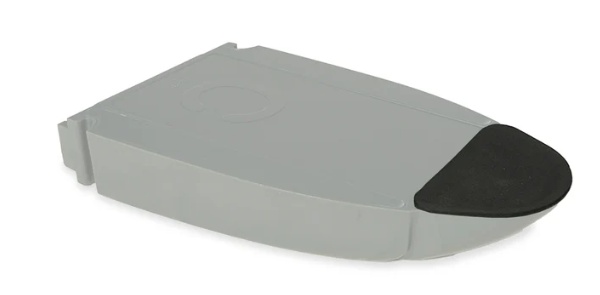
Thoroughly clean and dry the underside of the nose cone where the pad will be applied.
The surface must be free from dirt, grease, salt and other contaminants to ensure the adhesive sticks properly.
2. Apply the First Pad
Peel the backing from the rocker pad.
Apply it to the leading edge of the underside of the nose cone.
This is the area that contacts and supports against the bottom of the board.
3. Check the Fit
Reinstall the nose cone and check for movement.
Apply gentle pressure to the nose cone and electronics box.
The nose cone should now be supported against the board with minimal or no rocking.
4. Add Additional Layers if Required
If there is still movement or a gap, add another rocker pad on top of the first.
Continue adding layers until the gap is adequately filled and the nose cone is securely supported by the board.
Do not add more pads than necessary. The aim is to provide support between the nose cone and board, not to force the nose cone against the board.
Replacing the Rocker Pads
The rocker pads are replaceable.
If a pad becomes worn, damaged or no longer adheres correctly, simply remove it, clean the surface thoroughly and install a new pad.
Replacements can be purchased from the Foil Drive website, or from your local dealer.
Final Check
Before riding, confirm that:
- The nose cone is sitting as close to the board as practical.
- There is no excessive gap beneath the nose cone.
- The nose cone does not rock when gentle pressure is applied.
- The rocker pad is securely adhered to the nose cone.
- The nose cone is correctly installed and sealed.
Rocker pads are not required on every board. Check your board and installation to determine whether additional support is needed.